Research centre

Research with a route to the field

Programmes are chosen for one reason: a result that changes what a clinician, farmer or regulator can actually do.
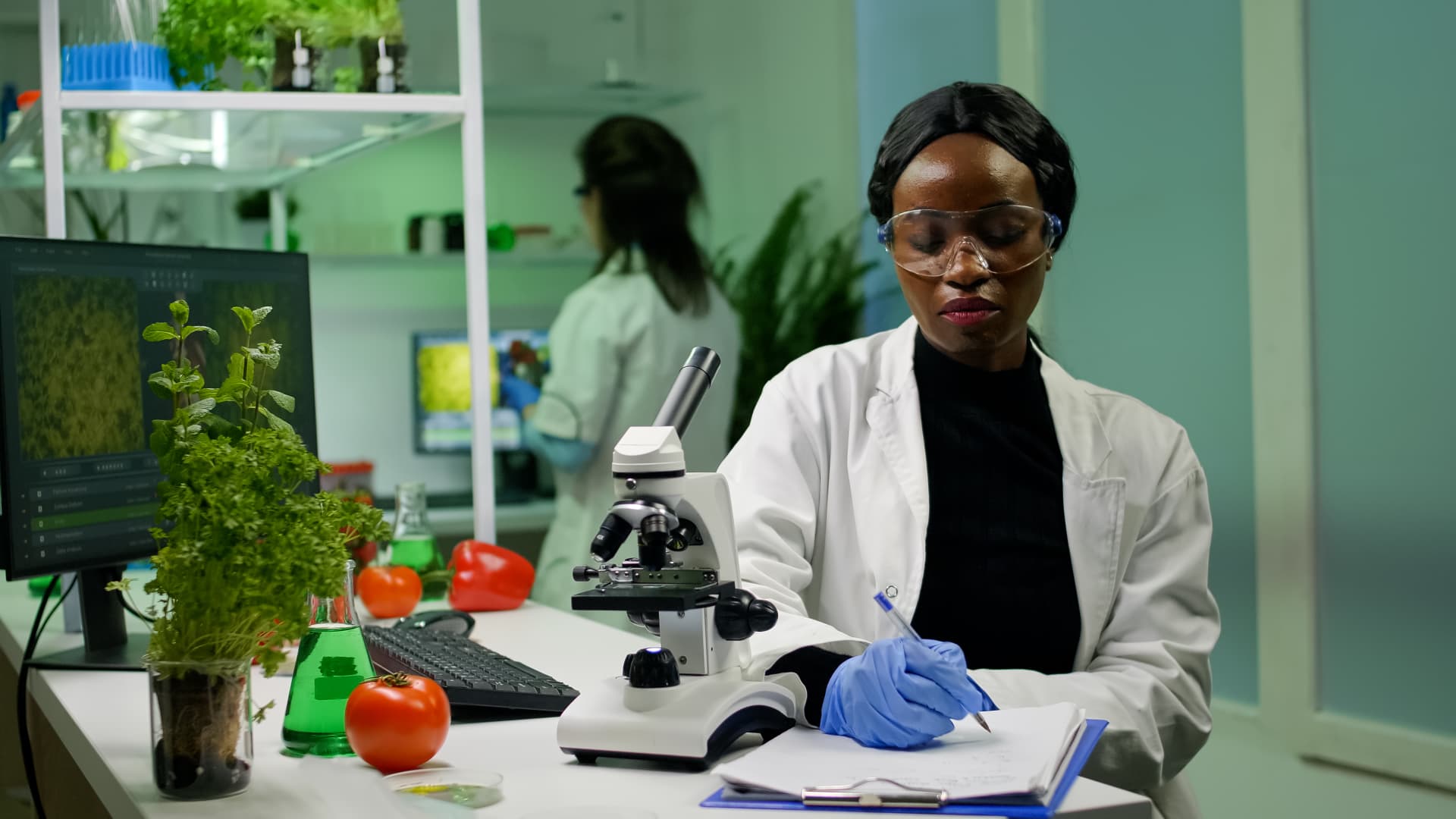
Scientists collaborating in a genomics research laboratory
Peer
Reviewed

40+

Active programmes across clinical, agri and environmental science

60+

Partner institutions, hospitals and grower networks

180

Peer-reviewed publications and field reports to date

How we research

Rigorous programmes with a route to the field

A shared research method across every division — evidence first, translation always.

Question-led science

Every programme starts from a decision a clinician, farmer or regulator needs to make — not from a technique looking for a use.

Accredited platforms

Genomics, molecular biology and analytical chemistry run inside ISO-accredited laboratories with traceable workflows.

Partnered by design

Hospitals, universities, cooperatives and agencies co-design protocols so findings translate straight into practice.

Open, audited results

Pre-registered endpoints, dual-verified analysis and peer-reviewed publication of both positive and null results.

AI-Assisted Cancer Triage in Low-Resource Clinics
Active · Cancer Research

AI-Assisted Cancer Triage in Low-Resource Clinics

Late-stage presentation dominates cancer outcomes across the region because pathology capacity is concentrated in a handful of urban centres.

Explore
Gut Microbiome Signatures in Type 2 Diabetes Remission
Recruiting · Cell Biology

Gut Microbiome Signatures in Type 2 Diabetes Remission

Dietary remission programmes work for some patients and not others, and clinicians have no way to predict who will respond.

Explore
Mesenchymal Stem Cell Therapy for Cartilage Repair
Analysis · Regenerative Medicine

Mesenchymal Stem Cell Therapy for Cartilage Repair

Osteoarthritis management is limited to pain control and joint replacement, with no accessible regenerative option.

Explore
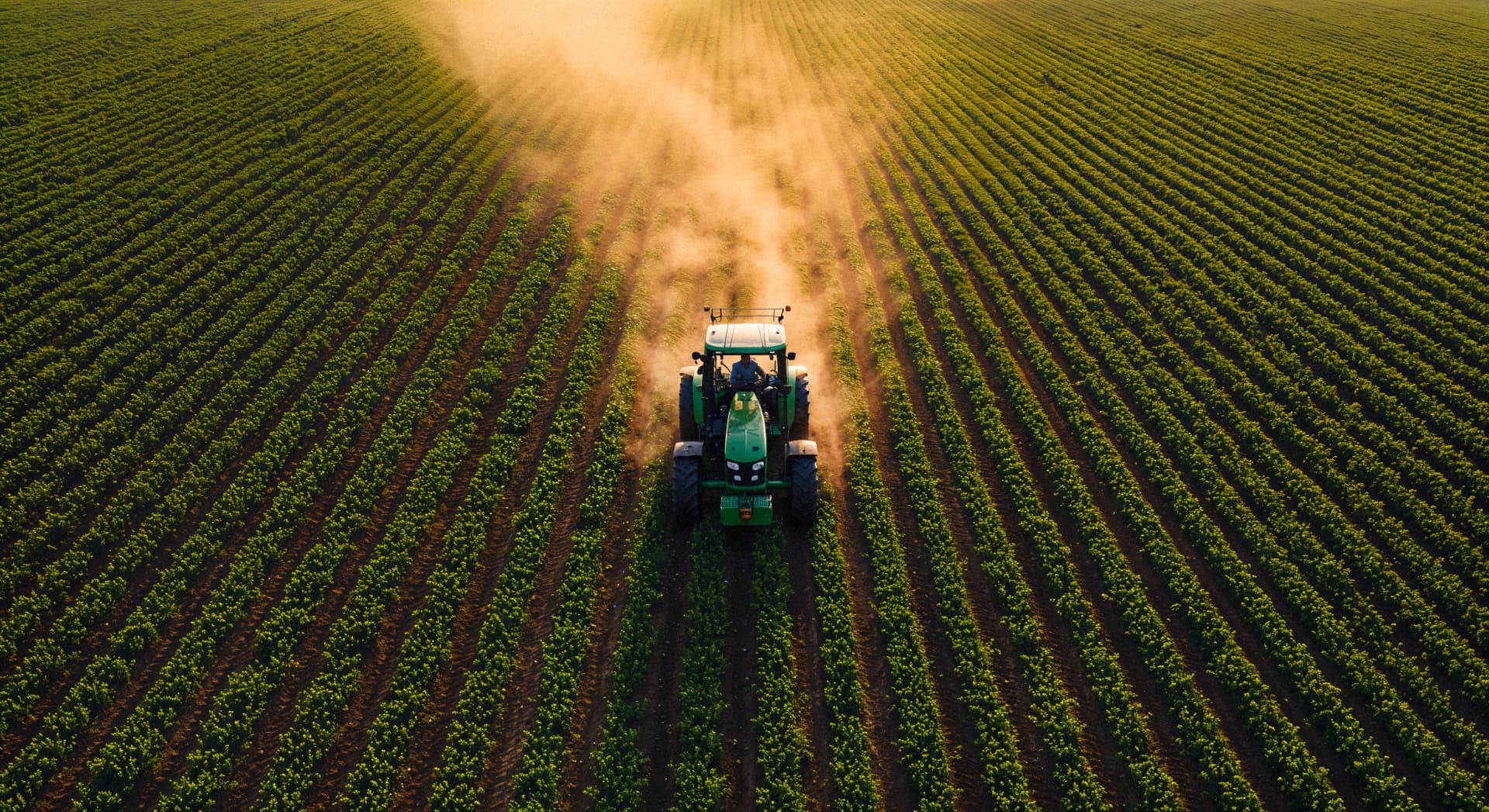
Drought-Tolerant Maize for Semi-Arid Smallholders
Active · Plant Research

Drought-Tolerant Maize for Semi-Arid Smallholders

Rainfall variability is cutting smallholder maize yields by up to 60% in drought years.

Explore
Continental Soil Microbiome Atlas
Active · Agricultural Research

Continental Soil Microbiome Atlas

Fertiliser recommendations ignore soil biology because no regional microbiome baseline exists.

Explore
Satellite Yield Prediction for Smallholder Fields
Analysis · Agricultural Research

Satellite Yield Prediction for Smallholder Fields

Sub-hectare fields are invisible to conventional yield forecasting, blocking credit and insurance access for smallholders.

Explore
Genomics of Heat-Tolerant Indigenous Cattle
Active · Animal Research

Genomics of Heat-Tolerant Indigenous Cattle

Crossbreeding for milk yield is eroding the heat and disease tolerance of indigenous breeds.

Explore
River eDNA Biodiversity Monitoring Network
Active · Environmental Research

River eDNA Biodiversity Monitoring Network

Freshwater biodiversity loss is largely unmeasured because conventional surveys are slow and costly.

Explore
Traditional Fermented Staples as Functional Foods
Completed · Food Science

Traditional Fermented Staples as Functional Foods

Traditional fermented foods carry documented health benefits but lack the characterisation needed for commercial products.

Explore
Agro-Waste to Industrial Enzyme Platform
Active · Industrial Research

Agro-Waste to Industrial Enzyme Platform

Millions of tonnes of crop residue are burned annually while enzymes are imported at high cost.

Explore

Publications

Recent peer-reviewed output

Multimodal triage of suspected malignancy in district clinics

Lancet Digital Health · 2025

Safety of autologous MSC injection in knee osteoarthritis

Cell Therapy Reports · 2026

Marker-assisted selection for drought tolerance in tropical maize

Field Crops Research · 2025

Baseline soil microbial diversity across African agroecologies

Nature Microbiology · 2026

Selection signatures for thermotolerance in indigenous zebu

Genetics Selection Evolution · 2025

Probiotic potential of indigenous fermentation starters

Food Microbiology · 2024

Research lifecycle

From a question worth asking to a result people can use

01

Scoping

Define the decision, the endpoint and the population or field site with our partners.

02

Protocol & ethics

Pre-registered protocol, ethics or biosafety approval and consent frameworks.

03

Execution

Accredited laboratory and field workflows with monitored data capture.

04

Translation

Peer-reviewed publication, regulatory dossiers and hand-off to service teams.

Partner with us

Collaborate with our research teams

Bring us a study, a sample set or a field problem. We scope feasibility, ethics and timelines within one working week.

Talk to a scientist

Publications & data access

Request pre-prints, anonymised datasets or replication protocols from any completed programme.